Sleeping Angel Moon Embroidery Review
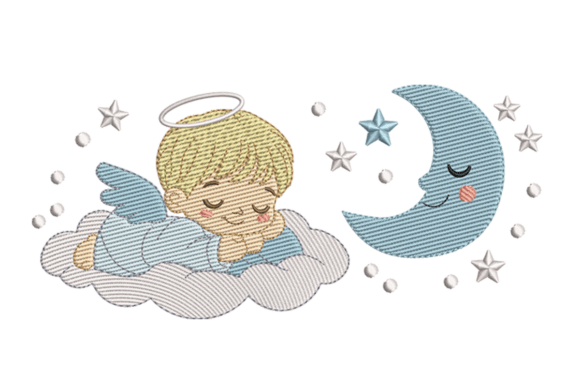
As a designer who has stitched everything from high-end custom apparel to small-batch nursery decor, I approach every new machine embroidery design with a critical eye. The market is flooded with generic patterns, but occasionally, a file arrives that feels like it was made for a specific moment. That is my immediate reaction to the Sleeping Angel Moon Embroidery. It isn't just a collection of stitches; it is a mood. The concept of a sleeping baby angel resting on a cloud beside a crescent moon and stars hits a sweet spot in the celestial theme that never seems to go out of style. However, before I recommend this for your craft business or personal projects, we need to look past the preview image and discuss how it actually translates to thread and fabric.
The First Impression: Mood and Composition
When I first loaded the embroidery file into my digitizing software, the layout immediately suggested a delicate balance. The composition relies heavily on soft curves—the arc of the moon, the fluffiness of the cloud, and the gentle posture of the angel. This is not an aggressive design meant for bold streetwear. Instead, it exudes a quiet, serene energy perfect for baby embroidery and nursery items. The visual weight is distributed evenly, which is crucial for maintaining stability during stitching, especially if you are working with lightweight fabrics often used in infant clothing.
The detail level here is moderate. It avoids the trap of being so dense that it creates a "blob" of thread, yet it retains enough definition to be recognizable at a distance. For an Etsy seller or someone running a boutique shop, this clarity is vital. Customers need to see the design's personality in a printable mockup or a photo of the finished product without zooming in excessively. The Sleeping Angel Moon Embroidery succeeds in feeling whimsical without looking cluttered, making it a strong candidate for handmade product lines focused on comfort and sweetness.
Real-World Application: From Hoop to Home
To truly evaluate this design, I imagined a real-life scenario: preparing a custom embroidered tote bag for a local baby shower gift basket. In this context, the tote bag design needs to pop against a neutral canvas background. The celestial elements—the moon and stars—provide excellent contrast opportunities. If I were using white or light blue thread for the angel and cloud against a cream-colored tote, the result would be subtle and elegant. Conversely, placing this on a navy blue sweatshirt would require careful thread colors selection to ensure the angel doesn't get lost in the dark fabric.
I also considered its use as an embroidered patch. Because the outline of the angel and the crescent moon are distinct, this design would translate beautifully into a standalone patch that could be sewn onto denim jackets or backpacks. For small shop owners, offering patches allows for inventory flexibility; you can sell the patch separately or include it as a premium add-on to other merchandise. The stitch density appears well-managed, meaning the backing won't be too heavy, preserving the drape of the fabric even on softer materials like fleece or jersey knit used in custom apparel.
For holiday embroidery or year-round nursery decor, this design fits seamlessly. Imagine it centered on a pillow cover or a kitchen towel intended as a personalized gift. The celestial theme works for birthdays, christenings, and even as a comforting motif for a child's room. The key here is versatility. Unlike designs that are strictly seasonal, the Sleeping Angel Moon Embroidery feels timeless, allowing creative entrepreneurs to keep it in their catalog throughout the year without it feeling dated.
Navigating Fabric and Technique Challenges
While the design is promising, it requires respect for the medium. There are specific situations where Sleeping Angel Moon Embroidery should be used with caution. First, consider the hoop size. If the design is large, attempting to stitch it on a curved surface like a cap might distort the shape of the moon or the angel's wings. Always test the fit within your hoop before committing to the final piece. Similarly, on textured fabrics like terry cloth or thick blankets, the fine details of the stars might get lost in the weave. In these cases, simplifying the design or using a thicker needle and heavier stabilizer becomes necessary.
Fabric texture plays a massive role in the final outcome. On thin or stretchy fabrics, such as those used for onesies or baby dresses, the pull of the fill stitch can cause puckering around the larger areas like the cloud. Using the proper stabilizer is non-negotiable here. A tear-away stabilizer might work for woven cotton, but a cut-away is likely better for knits to maintain the design's integrity after washing. Remember, a personalized gift must withstand time and care; if the embroidery distorts after the first wash, the value of the item drops significantly.
Dark fabrics present another challenge. The description highlights a "sweet and delicate" aesthetic, which usually implies lighter tones. Stitching light thread on dark fabric requires precise registration to avoid showing the base color through gaps in the satin stitch or fill. If you plan to offer this on black or charcoal garments, run a test on scrap fabric first to check for shadowing and adjust the density if needed.
Practical Notes for Designers and Makers
Before you list this design on your shop or start a client order, follow these practical steps to ensure professional results:
- Test on Scrap Fabric: Never skip this step. Stitch the digital embroidery file on a piece of the exact fabric you intend to use. Check for puckering, thread breaks, and alignment issues.
- Review Thread Contrast: Ensure the thread colors provide enough contrast against the background. A white angel on a grey cloud might look muddy; adjust the palette for clarity.
- Check Licensing: As a commercial embroidery user, confirm the license terms. Can you sell the finished goods? Can you resell the digital file? Understanding this protects your craft business from legal issues.
- Mockup Verification: Create printable mockups in both black and white and full color. This helps you visualize how the design will appear to customers online and ensures the details hold up in different formats.
- Stabilizer Selection: Match your stabilizer to the fabric type. For bed linens or heavy towels, a stiff stabilizer adds structure. For delicate baby clothes, a lightweight mesh is preferable.
Final Verdict on Visual Appeal and Value
The Sleeping Angel Moon Embroidery offers a high degree of visual appeal when executed correctly. It enhances the perceived value of a small shop product by adding a touch of artisanal quality that printed graphics cannot match. For buyers, seeing a hand-stitched, detailed design builds trust and signals that care went into the creation process. This emotional connection is what drives sales for apparel decorators and handmade sellers alike.
However, its success depends entirely on the execution. If the stitch density is off or the wrong stabilizer is used, the delicate nature of the design can turn into a flaw. But when done right, it becomes a standout piece in any collection. Whether you are creating a one-of-a-kind personalized gift or producing a batch of design assets for your brand, this design provides a solid foundation for creativity. It invites you to play with textures, colors, and placements while maintaining a cohesive, charming aesthetic that resonates with customers looking for something special.
In the end, the Sleeping Angel Moon Embroidery is more than just a pattern; it is a tool for storytelling. It tells a story of peace, dreams, and celestial wonder. As long as you respect the technical requirements of Embroidery and choose the right applications, this design will serve you well in building a portfolio that feels both professional and deeply human.