Minimalist Snail Line Art Embroidery Review
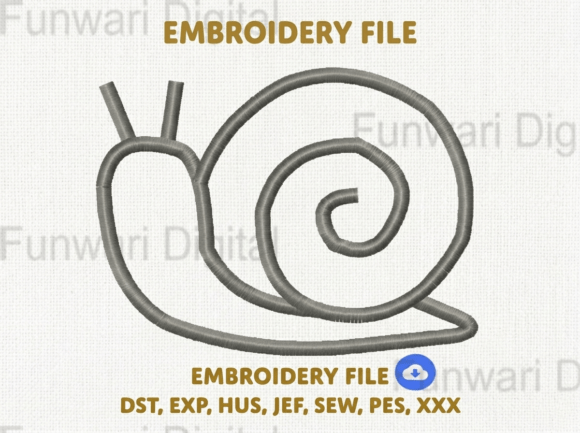
As a professional embroidery designer who has digitized thousands of assets for small business owners, I know that the difference between a good logo and a great one often comes down to execution. When I first encountered the Minimalist Snail Line Art Embroidery design file, my initial reaction was one of cautious optimism. In the world of Bugs and nature-themed motifs, it is easy to fall into the trap of overly complex detailing that fails on textured fabrics or creates puckering on thin materials. However, this specific design promises something different: clean lines and smooth satellite stitches designed to minimize jump stitches.
For small business merch creators, boutique owners, and apparel decorators, finding a machine embroidery design that balances aesthetic appeal with technical reliability is crucial. This review evaluates how the Minimalist Snail Line Art Embroidery performs in real-world commercial applications, from staff uniforms to branded patches.
First Impressions: A Modern Approach to Nature
The visual personality of this design is immediately striking. It feels less like a decorative doodle and more like a deliberate brand mark. The minimalist approach strips away unnecessary texture, leaving a sleek silhouette that reads well even at smaller scales. For businesses aiming for a modern, eco-friendly, or handmade aesthetic, this design offers a friendly yet professional vibe. It avoids the clutter often found in traditional Embroidery files, making it an excellent candidate for brands that value simplicity and clarity.
When reviewing the digitization notes, the emphasis on "smooth satellite stitches" suggests a high level of craftsmanship. In my experience, satellite stitching is critical for maintaining the integrity of line art. Without it, thin lines can break up or look jagged, especially when embroidered on stretchy knits or uneven surfaces. If the digitizer has truly minimized jump stitches as described, this digital embroidery file will save significant time during production and reduce thread waste, which is a key metric for profitability in custom apparel shops.
Real-World Applications for Small Business Merch
The versatility of the Minimalist Snail Line Art Embroidery makes it a strong contender for various small business merch needs. Here is how I see this design performing across different product categories:
- Branded Patches: This design is ideal for creating iron-on or sew-on patches. The clean lines translate perfectly to patch backing, allowing for crisp edges that pop against denim jackets, canvas tote bags, or backpacks. A snail motif on a patch adds a unique, memorable touch to customer gifts or event swag.
- Staff Uniforms and Aprons: For cafes, bakeries, florists, or creative studios, apron embroidery needs to be durable and legible. Placing this snail design on the chest pocket or upper back of an apron provides a subtle branding element that doesn't overwhelm the wearer. It signals a connection to nature and slow living, values often held by artisanal food and craft businesses.
- Cap Embroidery: One of the most challenging areas for embroidery is the curved surface of a cap front. Because this design relies on line art rather than heavy fill stitches, it sits flatter and conforms better to the curve of a baseball cap. It works beautifully as a center-front accent or a side-sleeve detail.
- Tote Bag Design: Canvas tote bags are a staple for eco-conscious brands. The Minimalist Snail Line Art Embroidery serves as a perfect tote bag design element. Its simplicity ensures that the image remains clear even after repeated washes, maintaining the brand's premium presentation over time.
- Product Labels and Accents: Handmade product sellers can use this as a woven label alternative or a direct embroidery on clothing tags. It elevates the perceived value of the finished product, turning a simple garment into a curated piece of merchandise.
Strategic Considerations for Brand Identity
Integrating a new design asset into your brand requires careful thought regarding brand identity. The snail is a powerful symbol of patience, growth, and carrying one's home—metaphors that resonate deeply with handmade brands and local businesses. Using the Minimalist Snail Line Art Embroidery can help communicate these values without saying a word.
However, consistency is key. To ensure this design strengthens rather than dilutes your brand, compare it beside your existing design assets. Does the line weight match your typography? Do the thread colors align with your palette? A mismatch here can confuse customers and lower customer trust. I recommend creating a printable mockup to visualize how the snail looks alongside your logo and other graphics before committing to bulk production.
Furthermore, the choice of thread colors will drastically alter the mood. Black or dark grey on a light background feels modern and corporate, while pastel threads on a natural linen tote evoke a softer, rustic charm. Always test color combinations on the actual fabric you intend to use, as lighting and fabric texture can shift the perception of the hue.
Technical Limitations and Designer Notes
While the Minimalist Snail Line Art Embroidery is robust, there are scenarios where it must be used carefully. As a designer, I advise caution in the following areas:
- Small Patch Sizes: While line art is generally scalable, shrinking this design too much for a tiny button or coin-sized patch may cause the lines to blur. Always check the minimum recommended size in the file documentation.
- High Stitch Density Areas: Avoid placing this design directly over seams or areas with existing high-density embroidery. The added thickness can cause puckering and make the flat lines appear uneven.
- Textured Fabric: On heavily textured fabrics like terry cloth or thick wool, fine line art can get lost in the weave. Ensure the stitch density is sufficient to stand out against the grain of the material.
- Dark Uniforms: If embroidering on dark uniforms, you will need a dense underlay or a satin stitch border to prevent the thread from sinking into the fabric. Test the contrast carefully to ensure visibility.
- Frequent Washing: Items that undergo industrial washing, such as restaurant aprons, require extra care. Verify that the stabilizer used is appropriate for high-wash environments to prevent the design from cracking or fraying over time.
Practical Steps Before Production
Before you purchase this embroidery file for a large run, follow these practical steps to ensure success:
- Test in Black and White: Run a test stitch-out using a single black thread. This helps you identify any tension issues or registration errors without wasting colored thread.
- Verify Hoop Size: Confirm that the design fits within your standard hoop sizes. If it requires a larger hoop than you own, you may need to adjust your workflow or invest in new equipment.
- Select the Right Stabilizer: The type of stabilizer is just as important as the design itself. Use a tear-away for stable wovens and a cut-away for knits to maintain the shape of the snail's curves.
- Inspect Spacing: If combining this with text or other logos, ensure there is adequate spacing. Crowding designs can lead to thread breaks and poor aesthetics.
- Confirm Commercial Licensing: Always verify the license terms. Ensure you have the right to use this commercial embroidery design for resale items. Never assume personal use licenses cover business merchandise.
In conclusion, the Minimalist Snail Line Art Embroidery is a sophisticated tool for the modern maker. It bridges the gap between artistic expression and functional branding. By understanding its strengths and limitations, you can leverage this design to create custom apparel and products that not only look beautiful but also tell your brand's story effectively. Whether for a boutique's seasonal collection or a café's staff uniforms, this design offers a reliable, elegant solution that stands the test of time.