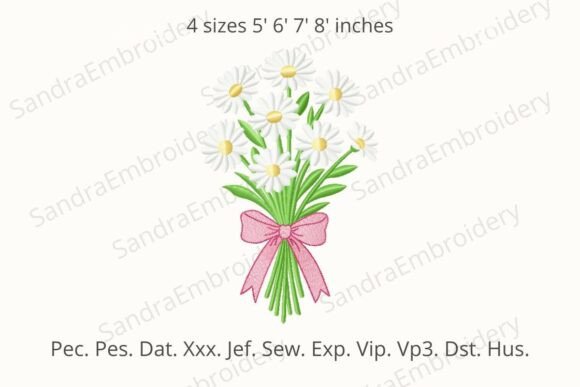
Daisy Flower Embroidery: A Designer's Review
As an embroidery designer who has spent years curating collections for small business owners and Etsy sellers, I know that the difference between a good product and a best-seller often comes down to the design file itself. Today, I am reviewing the Daisy Flower Embroidery design, a digital file featuring a beautiful daisy bouquet with a cute bow. Before I recommend this machine embroidery design for my shop's upcoming spring collection or allow it on our production floor for custom orders, I need to understand its practical application, emotional appeal, and technical reliability.
First Impressions: Capturing Spring in Thread
The moment I loaded the Daisy Flower Embroidery file into my digitizing software, the mood was immediately clear. This is not a heavy, Victorian-style floral; it is light, airy, and undeniably cheerful. The inclusion of the cute bow adds a touch of playful elegance that elevates the design from a simple flower patch to a complete gift element. For a handmade product creator, finding a design that feels both classic and modern is crucial. This bouquet strikes that balance perfectly. It screams "spring" and "summer," making it an ideal candidate for seasonal marketing campaigns.
The charm lies in its simplicity. Unlike complex botanical illustrations that can get lost in stitching, the daisy shapes are distinct and recognizable even from a distance. This makes the design highly effective for product photography. When you photograph a finished item with this embroidery, the details pop, creating a strong visual hook for potential buyers browsing online marketplaces. The emotional appeal is immediate; it evokes feelings of nostalgia, new beginnings, and gentle affection, which are powerful drivers for purchasing a personalized gift.
Ideal Applications for Your Small Business
When planning my inventory for the season, I consider where this specific embroidery file will perform best. The versatility of the Daisy Flower Embroidery allows it to span several high-demand categories. Here is how I envision using it across different product lines:
- Baby Embroidery Projects: This design is perfect for nursery decor. Imagine a soft muslin blanket or a cotton pillow cover featuring this daisy bouquet. The colors can be adjusted to pastel pinks, yellows, and greens, creating a sweet, gender-neutral aesthetic that parents love. It works beautifully as a blanket embroidery accent or on baby onesies (if the fabric weight is appropriate).
- Wedding Gifts and Keepsakes: For couples planning a rustic or garden-themed wedding, this design is a goldmine. An embroidered towel set for the bride and groom or a custom apron for the mother of the bride carries significant sentimental value. The bow suggests a gift-ready presentation, enhancing the perceived value of the wedding gift.
- Home Textiles and Kitchen Items: A kitchen towel or tea towel with a fresh daisy bouquet instantly brightens a home. These are staple items for craft fairs and Etsy shops because they are affordable yet feel luxurious when personalized. The design also translates well to pillow covers, adding a touch of cottage-core style to living spaces.
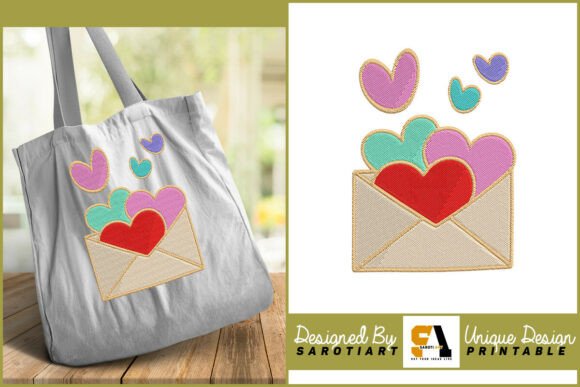
- Custom Tote Bags and Accessories: Canvas tote bags are excellent carriers for this type of design. The sturdy fabric supports the stitch density well, and the daisy motif appeals to eco-conscious shoppers looking for reusable bags that look handmade and unique.
Technical Considerations and Fabric Pairing
While the design is visually stunning, every professional embroiderer knows that execution matters more than aesthetics alone. Before placing this on real customer orders, I conducted a few test runs to identify potential pitfalls. The Daisy Flower Embroidery has a moderate stitch density, which is generally forgiving, but there are specific scenarios where caution is required.
Fabric Texture and Weight: On thick, textured fabrics like heavy terry cloth towels, the delicate petals of the daisies might lose definition if the wrong stabilizer is used. I strongly advise testing on scrap fabric first. For thick towels, a cutaway stabilizer is essential to prevent puckering. Conversely, on very thin or stretchy baby clothes, the hoop size must be carefully selected to avoid distorting the fabric. If the hoop is too large or the tension too tight, the stretchy material can warp, ruining the symmetry of the bouquet.
Color Contrast and Visibility: One of the most common mistakes I see from new Etsy sellers is ignoring thread color contrast. On dark fabric, the white petals of the daisy may require a backing layer of underlay stitches to appear bright. Without proper underlay, the design can look muddy. Always compare light and dark fabric mockups before committing to a bulk order. Similarly, small lettering added below the bouquet needs to be checked after stitching; if the font is too thin, it may not hold up after frequent washing.
Hoop Size and Placement: Because this is a bouquet design, it requires enough space to breathe. Do not attempt to shrink this design significantly for small applications like keychains or hat patches without re-digitizing. The cute bow, in particular, relies on specific curve radii that can collapse if scaled down too aggressively. Always confirm the recommended hoop size in the product description to ensure the entire design fits within your machine's capabilities.
Enhancing Giftability and Customer Trust
In the world of handmade products, the perceived value is everything. Using a high-quality digital embroidery file like the Daisy Flower Embroidery directly impacts how customers view your brand. When a buyer receives a custom embroidered item, they are buying into the story and care behind it. A well-executed daisy bouquet signals attention to detail. It transforms a generic commodity into a handmade product with soul.
This design specifically boosts giftability. Whether it is a family keepsake, a housewarming present, or a baby shower favor, the imagery is universally loved. It creates an emotional connection that mass-produced prints cannot replicate. For a small shop owner, offering this as a custom embroidery option can increase average order value. Customers are willing to pay a premium for items that feel personal and exclusive.
Furthermore, showcasing this design in your printable mockup galleries can drive engagement. High-resolution photos of the finished product, showing the texture of the thread and the crispness of the petals, build trust. Buyers can see exactly what they are getting, reducing hesitation and return rates. As a seller, ensuring that the finished product matches the preview is critical for maintaining five-star reviews.
Practical Steps for Production
Before you launch this design in your shop, follow these practical steps to ensure success:
- Test Stitching: Always run a test on the exact fabric you plan to sell. Check for thread breaks, skipped stitches, or pulling.
- Stabilizer Selection: Match the stabilizer to the fabric weight. Use tear-away for stable fabrics and cut-away for stretchy or heavy items.
- Licensing Check: Confirm commercial licensing terms before selling finished products. Ensure you have the right to use the commercial embroidery file for profit, especially if you are selling multiple units.
- Detail Inspection: After stitching, inspect the small details, particularly the center of the daisies and the knot of the bow. Trim any loose threads meticulously.
- Wash Testing: Wash a sample item to ensure the design holds up to laundering, which is vital for items like towels and blankets.
The Daisy Flower Embroidery is a versatile, charming addition to any embroidery library. With its blend of elegance and playfulness, it serves as a reliable workhorse for spring and summer collections. By paying attention to fabric choices, stabilizers, and technical details, you can turn this simple embroidery file into a profitable, beloved product line that delights your customers and strengthens your brand's reputation for quality.